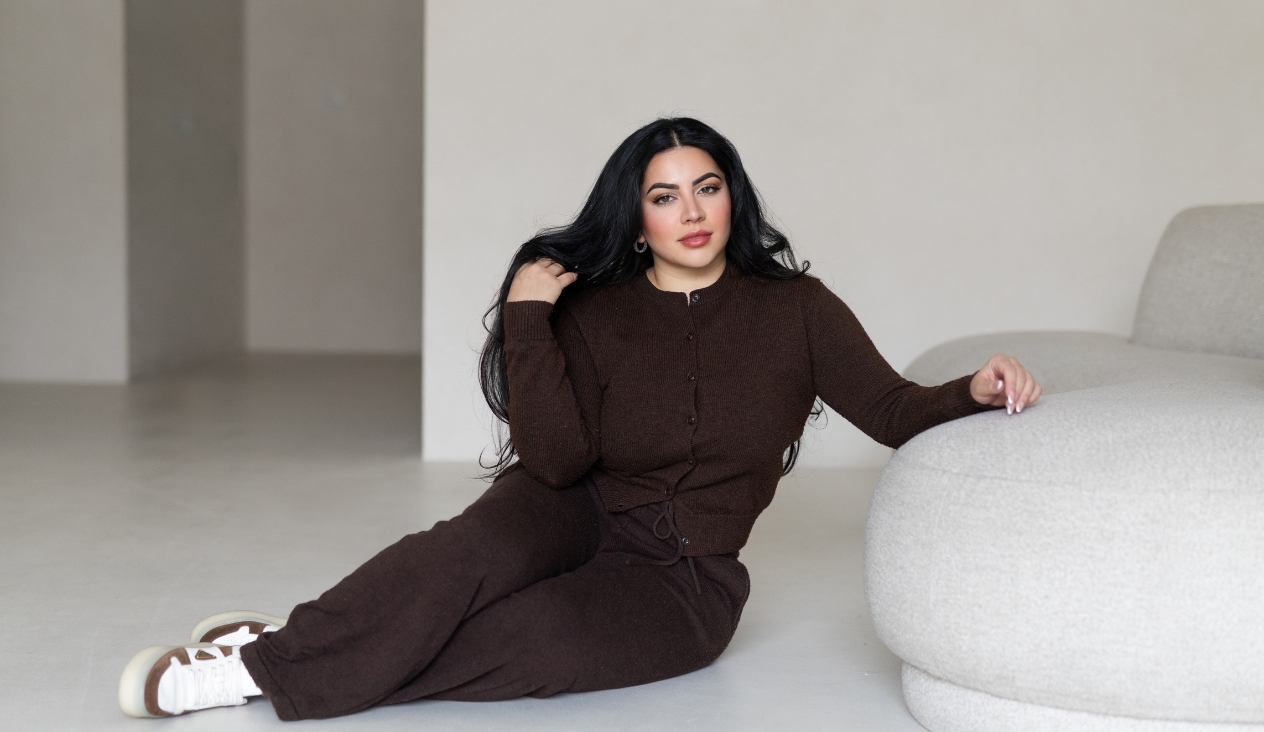
At the WealthSummit, Wealthverse CEO Afsha Butt asked a room full of women to redefine legacy. She described it not as what you leave behind, but as what you own and build while you’re still here. She drew on a trip to northern Pakistan and on her own decision to walk away from a $45 million book in which she held 0% equity. Her case is that ownership leads to agency, and agency leads to freedom and choice.
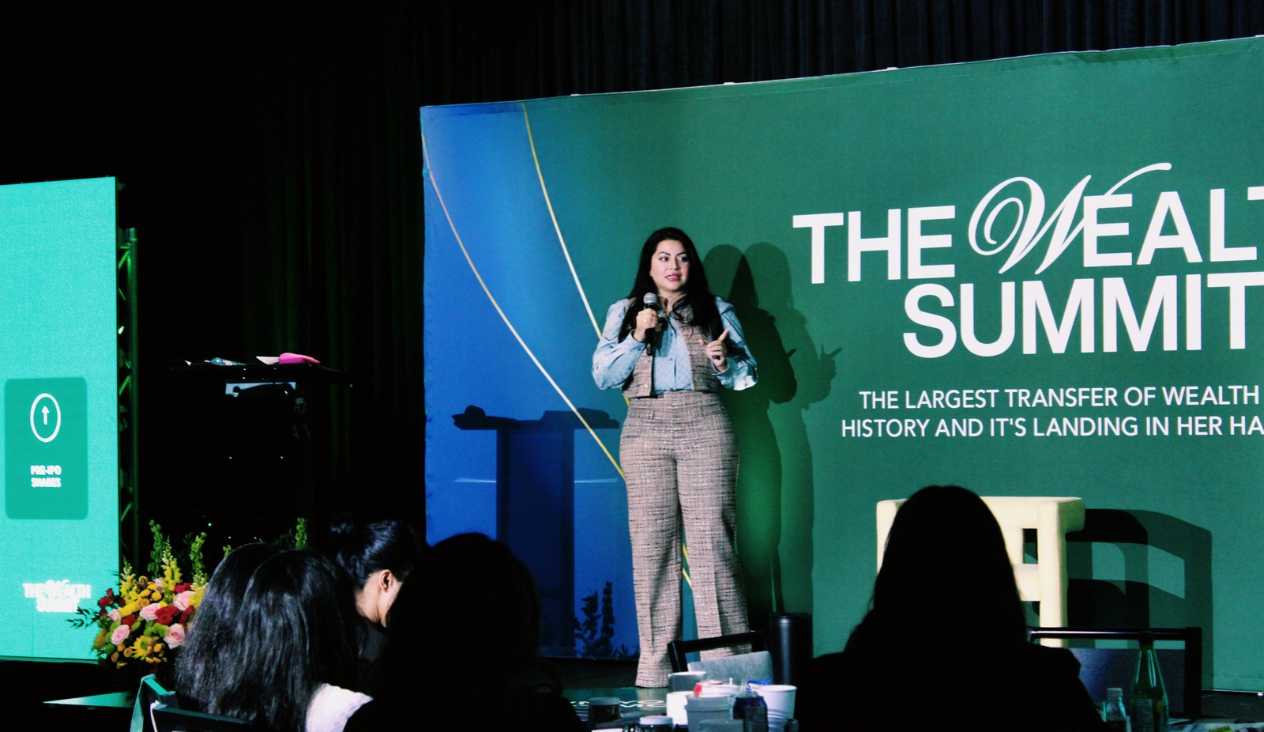
At the Wealth Summit, Wealthverse CEO Afsha was asked to speak about legacy. Instead of talking about wills and inheritance, she started with two villages in northern Pakistan, fifteen minutes apart.
In the first village, young girls walk two hours up a mountain every morning to fetch water. In the second, the literacy rate is 98% and children speak three languages before age five. One girl there told Afsha she wanted to be a cardiac surgeon. Another asked her, “How do I become a businesswoman like you?”
Afsha’s point was that the girl carrying water doesn’t have time to dream.
We usually think of legacy as what we leave behind. Afsha asked the room a different question: what are you creating that gives back to you while you’re here? Her answer was ownership, because “ownership leads to agency, which is freedom and choice.”
She learned this the hard way. At 23, working through a franchise, she managed $45 million and led a team of six. She held 0% equity in her own book. She carried the risk of the business, and she still couldn’t always recommend what was best for her clients. In 2022 she left to go independent and started over. Today she leads a team of eight and has the freedom to put clients first.
For employees, Afsha described a path: move from salary to commission and bonus, then to a profit share (ask for 70/30 or 60/40 on the deals you bring in), then to a partnership, and finally to equity. “When I say equity, just think ownership.”
She also made the case for private markets, which include pre-IPO companies, music royalties, litigation finance and private real estate. These used to be available only to the very wealthy. They can diversify a portfolio beyond public stocks, but they often come with limited liquidity, so they need to be part of a clear strategy.
At death, Canadian tax rules treat everything you own as if it were sold. In one estate analysis, a client with a $3 million net worth would have lost about $1.44 million to taxes. Afsha also told the story of a family who had to sell their childhood home to pay the tax bill after their father died unexpectedly. Her advice was to write down what you own, understand how each asset is taxed, and get an estate plan.
Afsha closed by pushing back on the idea that women are “bad with money.” Ask for help. Hire the advisor. Financial literacy isn’t what’s missing, she said. Execution is. She asked everyone to write down one goal and give it a due date.